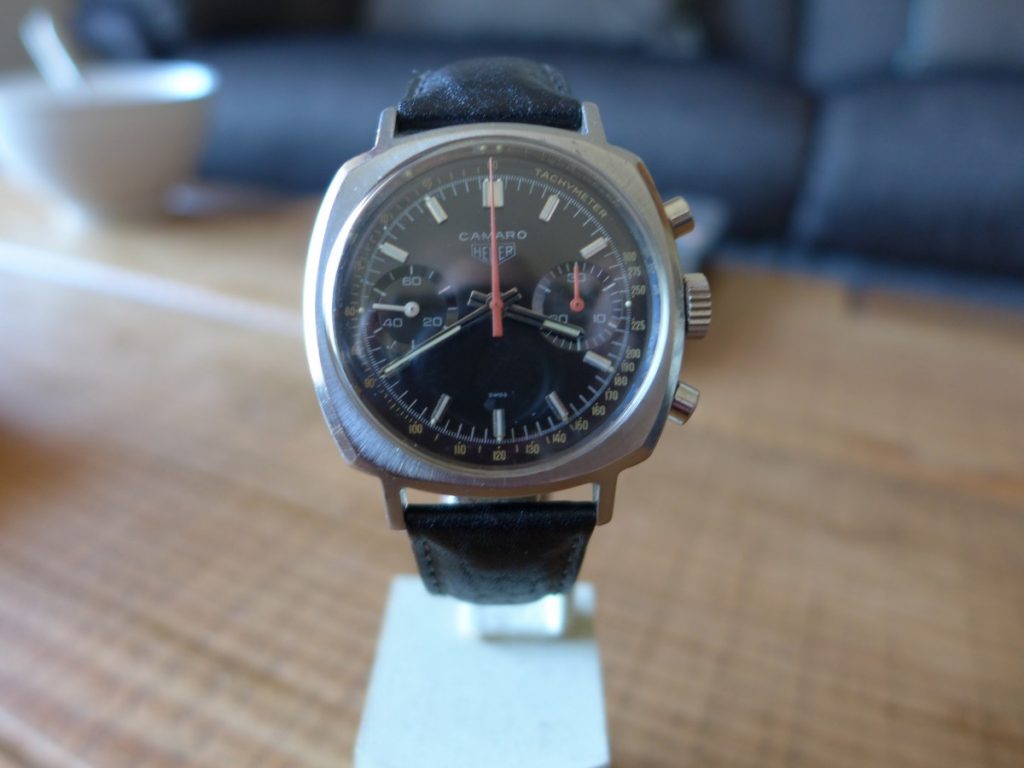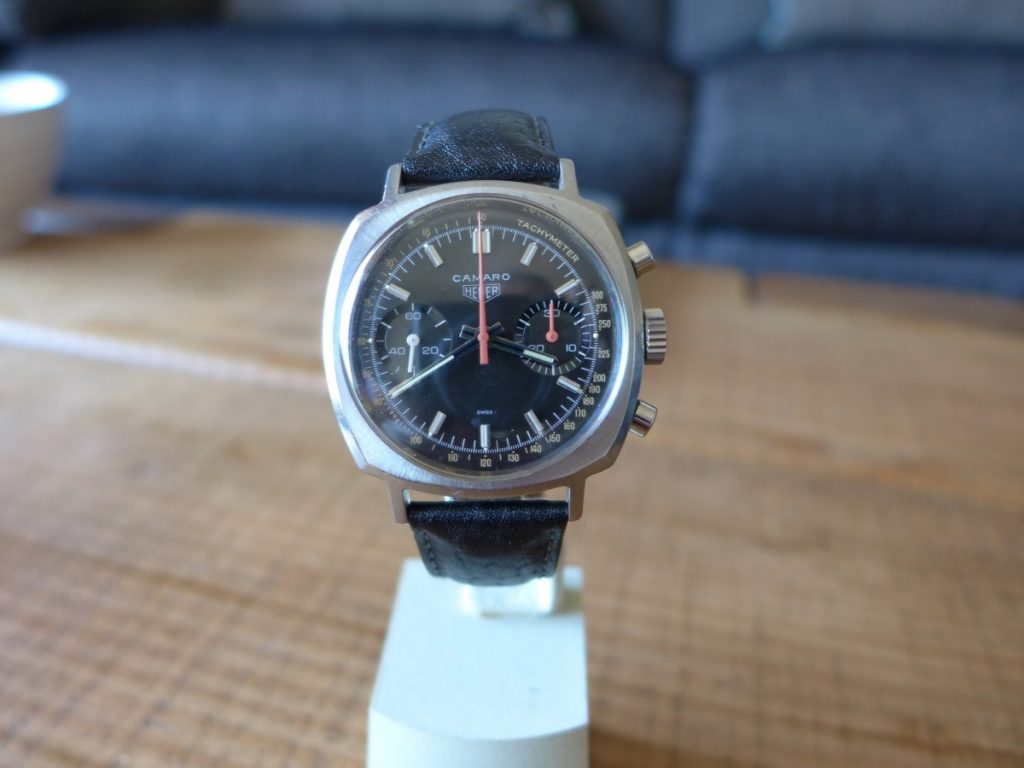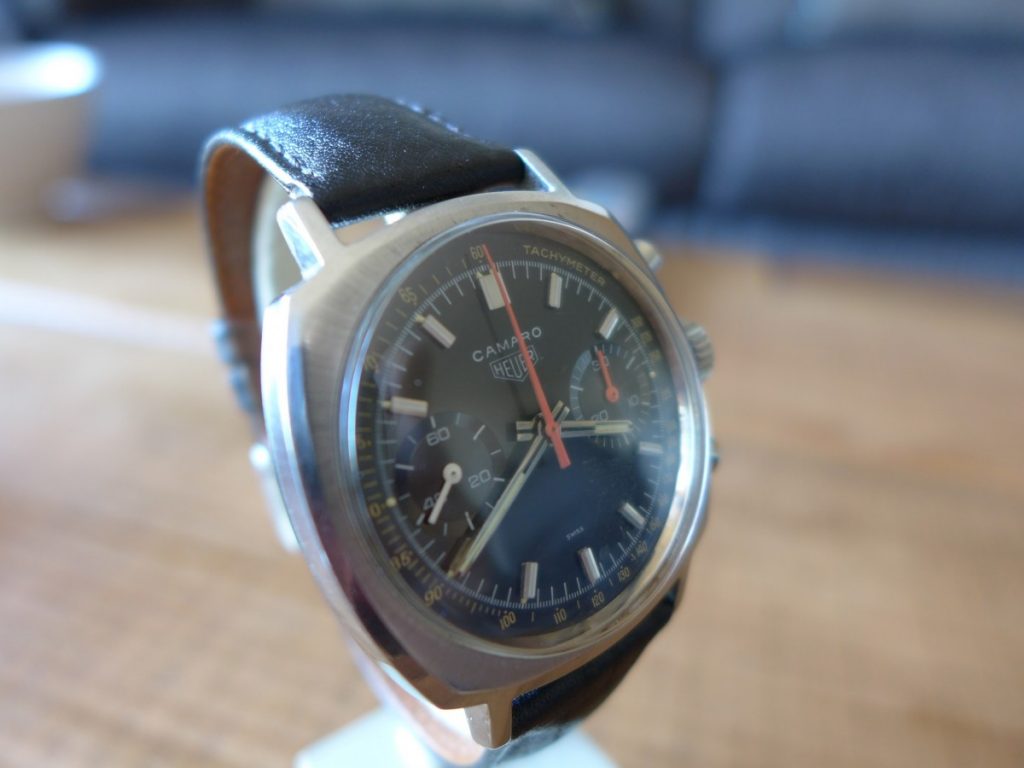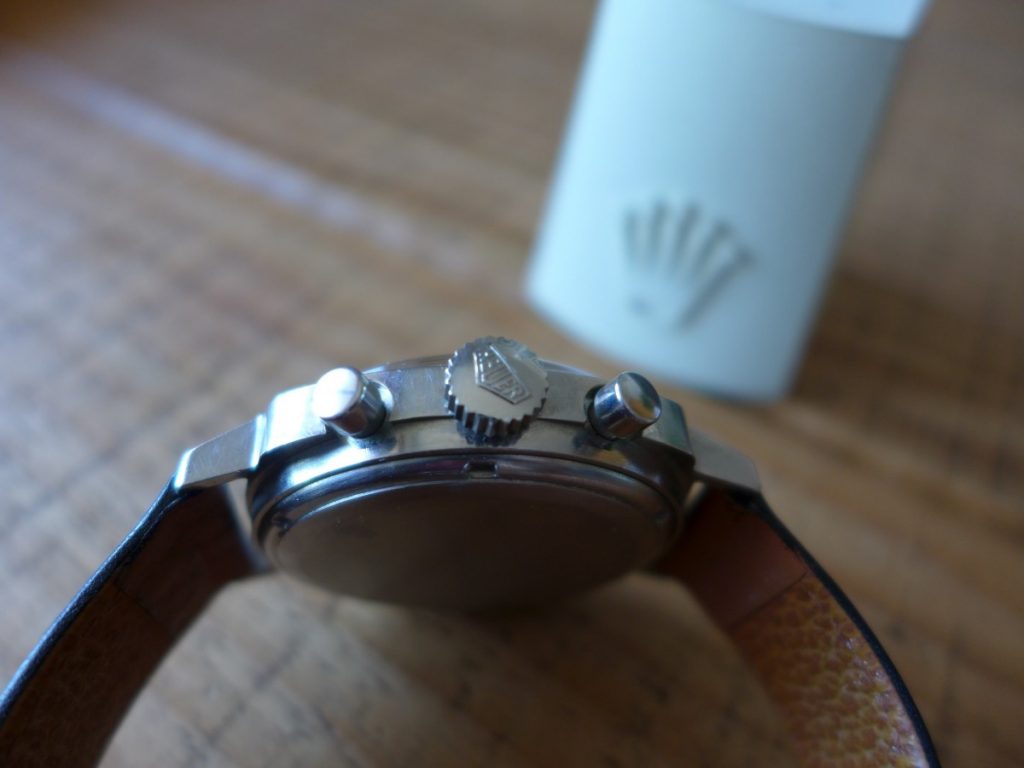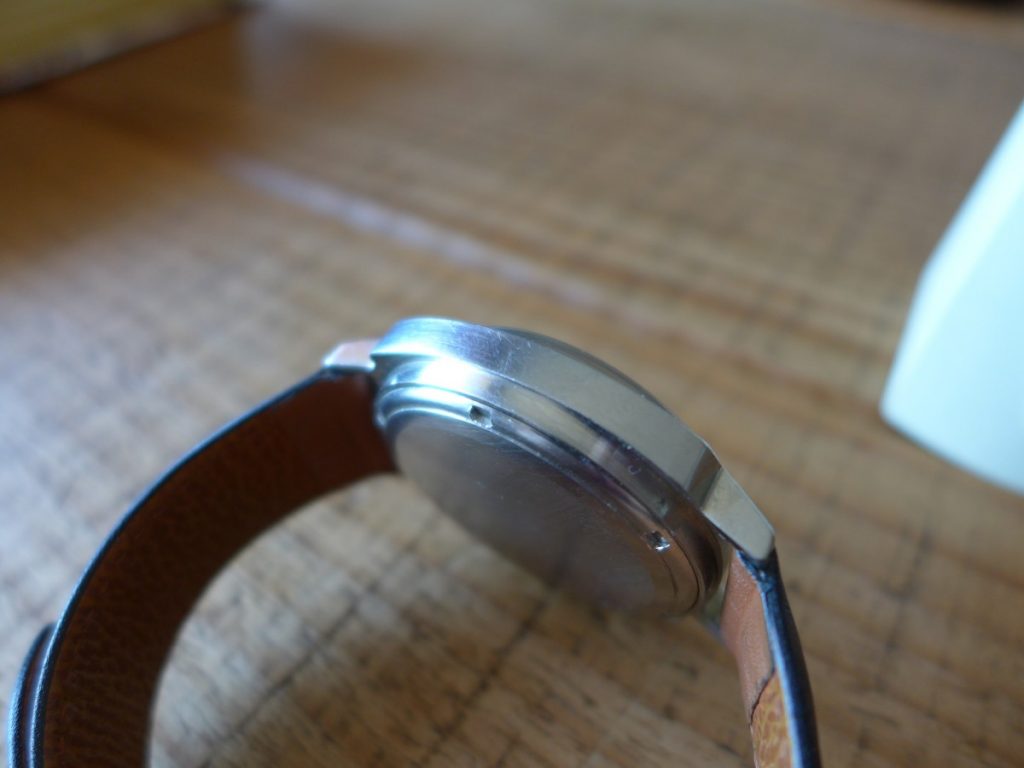

**Hands-On with the Heuer Camaro: A 1960s Vintage Model**
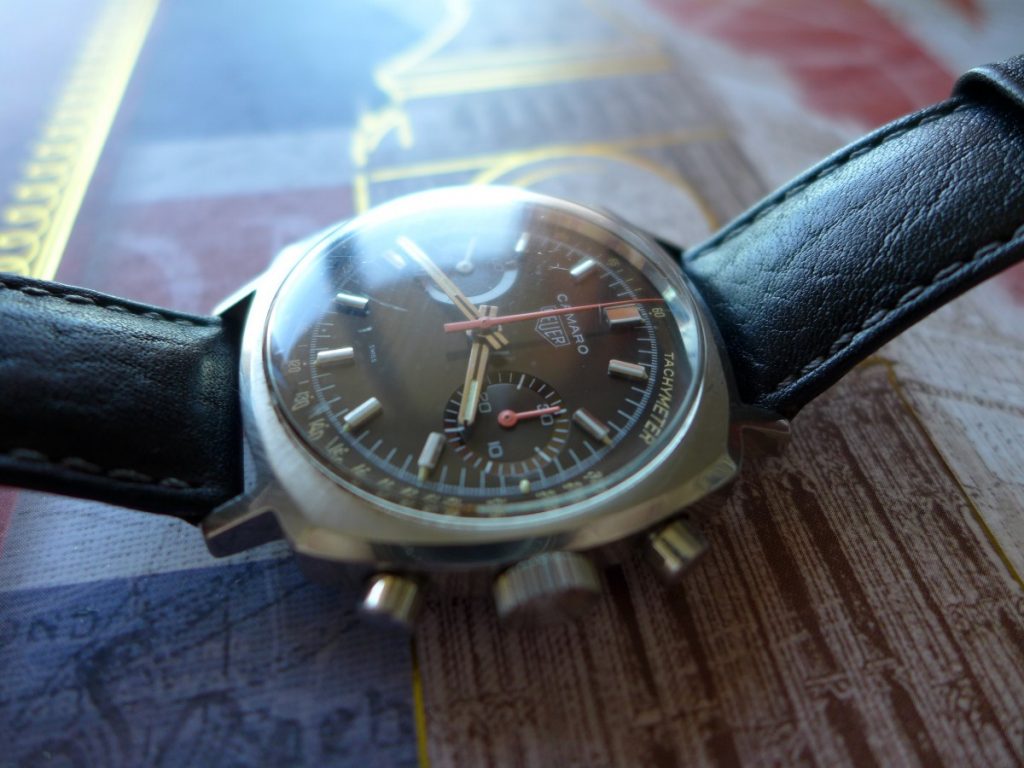
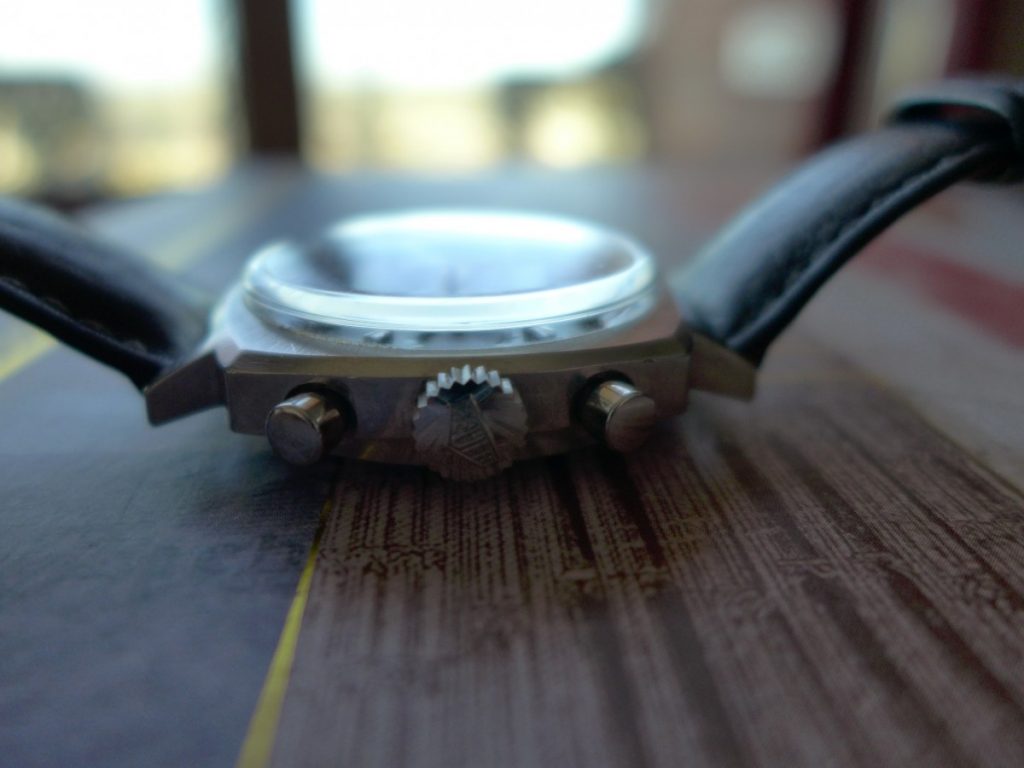
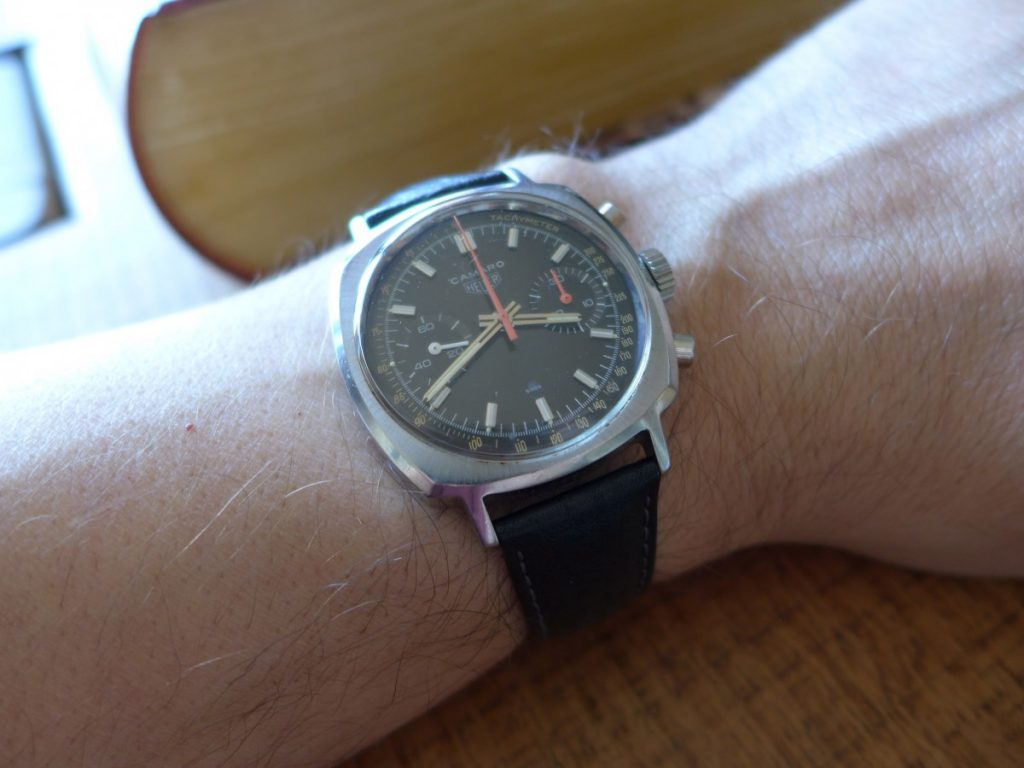
The Heuer Camaro is one of the highly collectible pieces from Heuer, and it stands out as a fantastic watch that remains relatively affordable, keeping it beneath the radar of most collectors. Named after the Chevrolet Camaro, which debuted in 1966, the Camaro shares a similar aesthetic with the famous Carrera, but features a slightly larger cushion-shaped case.
Jack Heuer, the key figure at Heuer, stated that the watch was named after the Chevy Camaro to strengthen Heuer’s presence in the USA. This strategy aimed to align the Heuer brand with American motor racing—a sensible move, particularly given the popularity of the Chevy Camaro in the late 1960s and its role as the pace car at the Indianapolis 500 in 1967 and 1969. This connection made the Camaro name a fitting choice for the Heuer brand.
Launched in 1968, the Camaro was the last series introduced before Heuer shifted its focus to the Chronomatic-powered watches in 1969. The Camaro is a manual-wind watch and was never produced with an automatic movement. Soon after, as Heuer concentrated on selling its new self-winding chronograph models, the Camaro went out of production in 1972.
The Camaro utilized three different movements supplied by Valjoux, a common practice at the time for watch brands to use movements made by other manufacturers (for example, Rolex used Valjoux and Zenith chronograph movements in their flagship Daytona watches until around 1999/2000, when they decided to launch their own in-house movement). This trend emerged as Swiss luxury watch brands sought to offer customers the full package of prestige, including proprietary movements.
The Valjoux movements featured in the Camaro were:
- **Valjoux 72:** A three-register, manual-wind chronograph movement with the following dial layout:
- 3 o’clock: 30-minute chronograph register
- 6 o’clock: 12-hour chronograph register
- 9 o’clock: running seconds
- **Valjoux 92:** Following the success of the Valjoux 72 in the 1950s, this 13-ligne movement includes two registers:
- 3 o’clock: 30-minute chronograph register
- 6 o’clock: running seconds
- **Valjoux 7730:** This movement serves as the basis for today’s Calibre 17 / Valjoux / ETA 7750. The 7730 is actually a re-named Venus 188, which is a manual-wind 30-minute chronograph with two registers. Valjoux upgraded the movement in 1968, rebranding it as the revised Cal. 7733, which serves as a base for several modified versions:
- 7733: base 2-register movement
- 7734: similar to 7733 but with a date function
- 7736: similar to 7733 but with an additional 12-hour register
Overall, the Camaro is an excellent vintage piece for the price, making it a worthwhile investment. In 1985, the brand adopted the name TAG Heuer.