

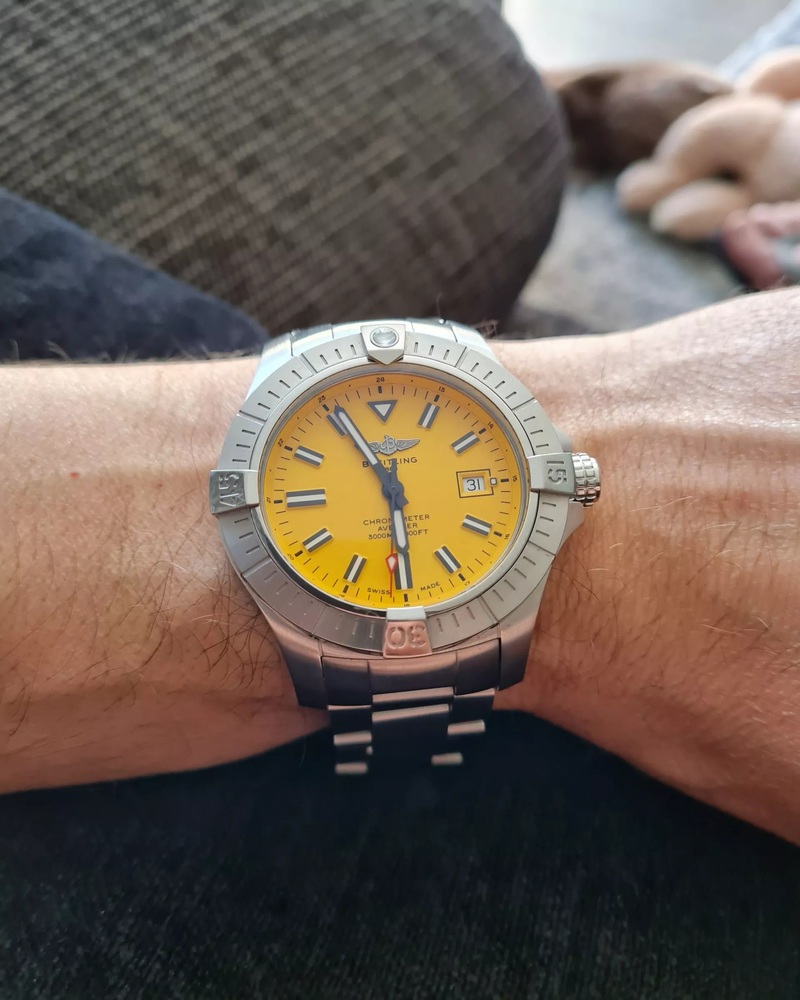
What truly drives watch value: key factors for vintage and modern luxury timepieces
Many people overestimate a watch’s value by just looking at the brand name. The truth is that factors like condition, originality, and documentation often matter more than you think. If you want a clear idea of how to value a watch, especially in Yorkshire, knowing what really drives price can save you time and stress. Keep reading to learn the key points that affect vintage and modern luxury timepieces alike. For further insights, you can explore this comprehensive guide on navigating the watch market.
Factors Influencing Watch Value
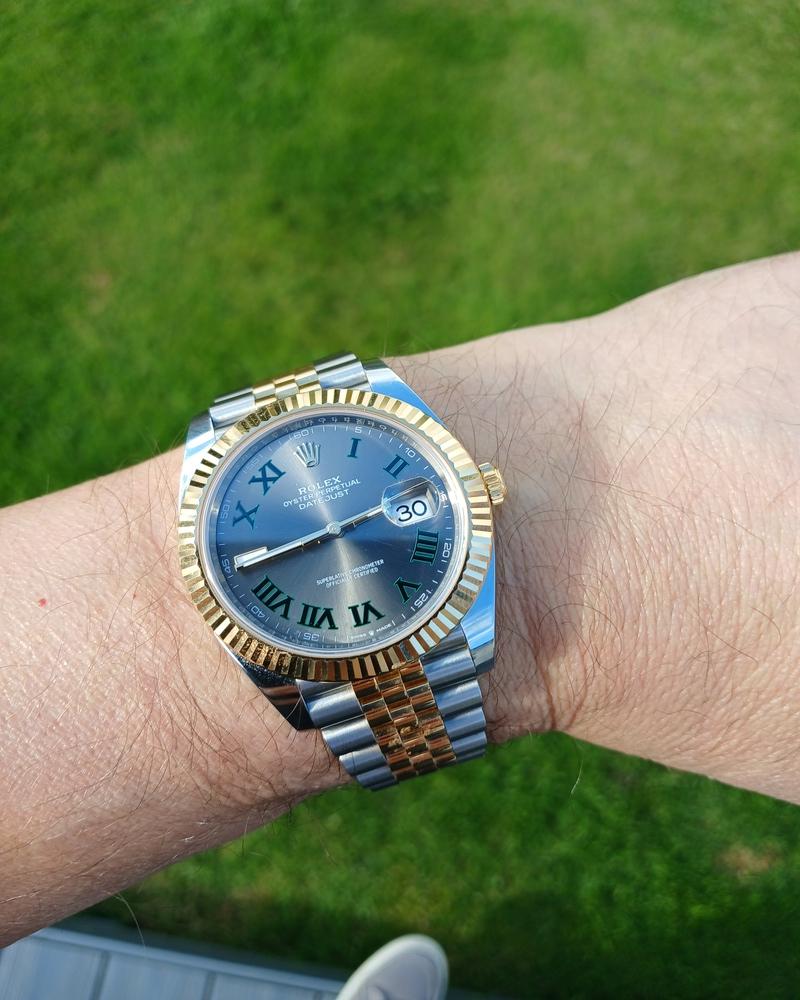
Your journey into understanding watch value begins here. Many aspects influence a watch's price, each carrying its own significance in the grand scheme of things.
The Role of Brand Prestige
Brand prestige often sets the tone in the watch market. Rolex, Omega, and Cartier are household names and naturally command attention. But why? It's not just about a label; it's the legacy behind it. These brands have a storied history and consistent quality those new entrants can't easily replicate.
When wearing a Rolex, you’re not just telling time; you’re wearing a piece of history, a symbol of precision and status. This legacy can make a big difference in how watches are perceived and valued. But remember, not all watches by top brands appreciate equally. Some models simply have more allure due to their unique features or limited production runs.
How Condition and Originality Matter
Condition can make or break a sale. Imagine a pristine Rolex Submariner next to one with a scratched case and missing links. Which would you prefer? The answer is almost always the flawless piece. Originality is equally important. Replacing parts with non-original ones often diminishes value, as collectors cherish authenticity.
Original dials, bezels, and movements are like gold in the watch world. They speak of a watch's history and integrity. Even slight modifications, like adding non-original hands, can affect the price drastically.
The Importance of Service History
Service history is like a watch's health record. Regular maintenance can extend a watch’s life and enhance its performance. A documented service history reassures buyers about the watch's condition. It shows that the previous owner took care of it, which can lead to better offers.
Without service records, potential buyers might question the watch’s upkeep, impacting the price negatively. Ensuring your watch has a well-documented service history can be an invaluable asset when selling.
Vintage Watches: What Collectors Seek
Vintage watches hold a unique charm. They whisper tales of bygone eras, making them irresistible to collectors. But what exactly attracts collectors to these timepieces?
Desirable Rare Dial Variants
Dials are often the spotlight of vintage watches. Certain rare variants can skyrocket a watch’s value, like the "Paul Newman" dial in Rolex Daytonas or the "tropical" dials that change color with age. These are not just dials; they're treasures that tell stories.
Collectors hunt for these rare gems because they add character and uniqueness, setting them apart from standard models. A rare dial variant can make an otherwise common watch a prized possession.
Box and Papers: Are They Essential?
Yes, they are essential. Box and papers might seem trivial, but they add a layer of authenticity. They’re the proof of origin, indicating the watch is genuine and complete.
Without them, a watch might fetch less, as doubts about its authenticity could arise. Collectors love completeness, and having the original box and papers can be the difference between a sale and a pass.
The Impact of Previous Ownership
Who owned the watch matters. If a watch was once owned by a famous personality, it could significantly increase its value. Provenance is a powerful tool in sales.
While not every watch has a celebrity past, knowing its journey can still add intrigue. For collectors, every owner is a new chapter in the watch's story. The longer you hold onto your watch, the more stories it may accumulate, potentially increasing its allure and value.
For more insights on vintage watch valuation, check out this guide.
Modern Luxury Watches: Key Value Drivers
Modern luxury watches are not just about telling time; they're about innovation and elegance. But what truly influences their value?
Technology and Craftsmanship
Technology in modern watches is ever-advancing. Brands like Omega and Tag Heuer invest in cutting-edge technology to create watches that are more precise and durable. This high level of craftsmanship ensures that every detail is meticulously crafted, from the movement to the casing.
This dedication to technology and craftsmanship makes these watches highly sought after. They are not just timepieces but marvels of engineering and design.
Market Demand and Trends
The market is dynamic, with demands shifting based on trends and consumer preferences. A particular model might be in vogue today and a collector's item tomorrow. Understanding these trends can help you make informed decisions when buying or selling.
Social media and influencers play a significant role in dictating these trends. A watch featured on a celebrity's wrist can suddenly become the next big thing.
Resale Potential and Investment Value
The resale market is thriving, and some watches are seen as investments. Watches like Patek Philippe and Rolex often retain or even increase in value over time. This potential for growth attracts many buyers looking to invest.
Yet, not every watch will appreciate similarly. Research and understanding market dynamics can guide your investment and resale choices, ensuring you make informed decisions.
For more on resale values, visit this resource.
By understanding these elements, you can better navigate the watch market, whether buying, selling, or simply exploring. Each factor plays its part in the intricate dance of watch valuation, making every piece unique in its journey.