

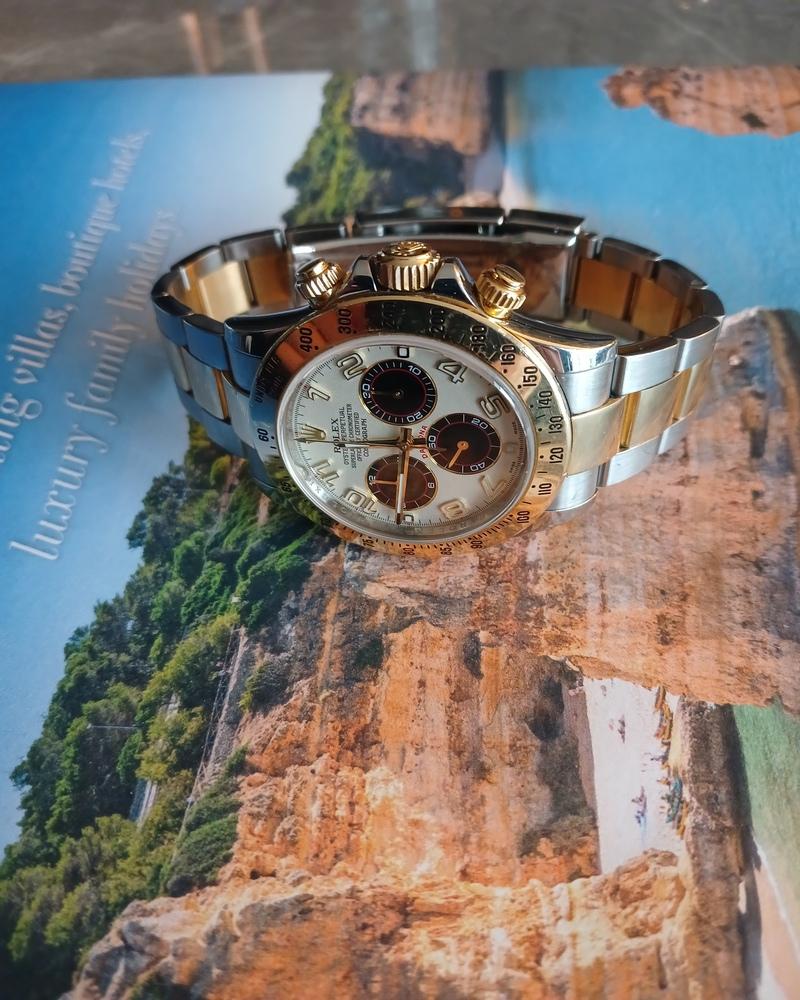
How to Pick the Right Luxury Watch: A Collector’s Guide
Picking the right luxury watch isn’t just about the brand or price. Your lifestyle, wrist size, and even the movement inside all shape the perfect choice. This guide breaks down what matters—from watch sizing and water resistance to service history and resale value—so you can make a confident decision. Ready to learn how to pick a luxury watch that fits you and your collection? Keep reading. For further insights, check out this comprehensive guide.
Choosing the Perfect Timepiece
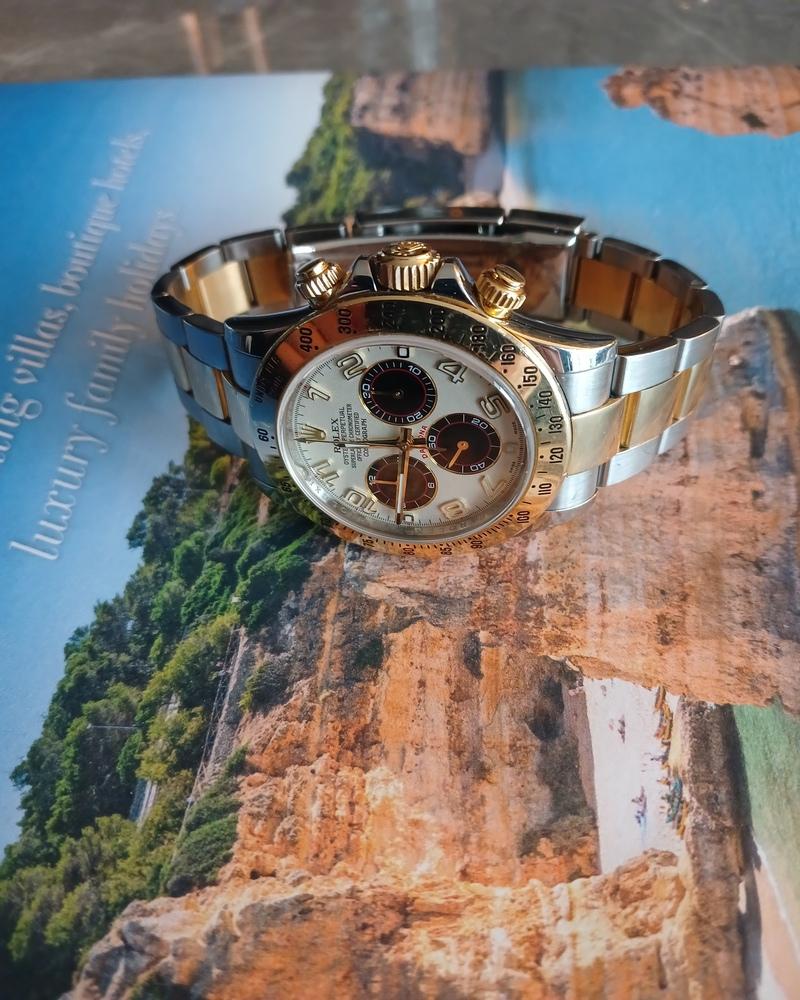
Selecting a luxury watch involves more than just looks and cost. Let's delve into how your personal needs influence the ideal choice.
Assessing Your Lifestyle Needs
Your daily activities play a huge role in the watch you pick. Do you lead an active lifestyle, or is your routine more office-based? If you're often in formal settings, a classic Rolex or Patek Philippe may suit you best. For those on the go, a Tag Heuer might be more fitting. Consider the robustness and style that match your life. Here’s a beginner's guide to help you further.
Watch Sizing Guide: Finding the Right Fit
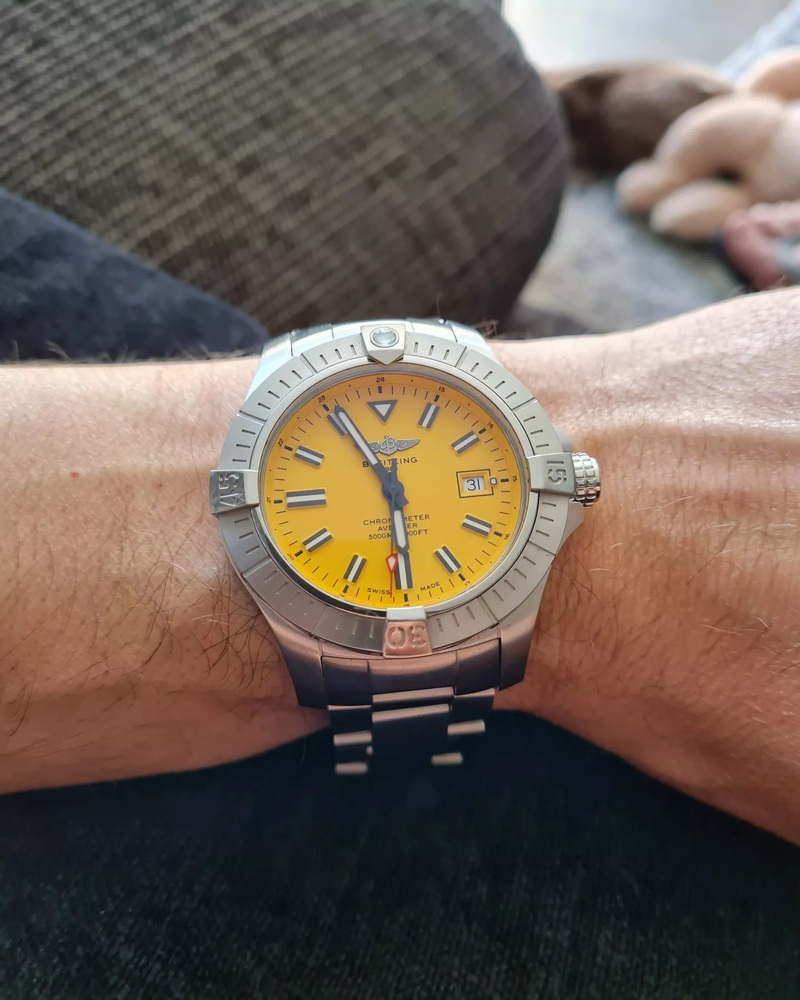
Fit and comfort are key when choosing a watch. Think about your wrist size. A large watch might overpower a slender wrist, while a small one could look lost on a broader wrist. Typically, men's watches range from 38mm to 42mm in diameter. Women's watches often sit between 26mm and 36mm. Try various sizes to see what feels right. Remember, your watch should complement your wrist, not dominate it.
Bracelet vs Strap: What's Best for You?
Choosing between a bracelet and a strap can be tricky. Bracelets, often made from metals like steel or gold, are durable and offer a timeless look. Straps, which come in materials like leather or rubber, provide comfort and a casual vibe. Think about where and when you'll wear your watch. For instance, leather straps offer elegance for formal events, while rubber is great for sports.
Understanding Watch Mechanics
Understanding how a watch works helps you appreciate its value. Let's look at the different types of watch movements and features.
Automatic vs Manual vs Quartz
The movement of a watch affects its function and maintenance. Automatic watches are powered by your wrist’s movement, needing no battery. Manual watches require regular winding, offering a connection to the traditional art of timekeeping. Quartz watches, powered by batteries, are highly accurate and low-maintenance. Consider what suits your personality—do you prefer the ease of quartz or the charm of winding an automatic?
Water Resistance Explained
Water resistance is crucial if you plan to wear your watch near water. Ratings like 50m or 100m refer to how deep a watch can go underwater. A 50m rating means it's splash-proof, while 100m suits swimming. For diving, look for 200m or more. Always check the manufacturer's guidelines to avoid water damage. Find out more about water resistance here.
GMT vs Chronograph: Which Complication?
Complications add functionality to watches. A GMT complication shows multiple time zones, ideal for travellers. A chronograph functions like a stopwatch, useful for timing events. Decide which feature aligns with your lifestyle. For instance, if you frequently travel, a GMT might be beneficial, while a chronograph suits those who enjoy timing their activities.
Evaluating Investment Potential
Considering a watch as an investment involves looking at several factors. Let's explore what makes a watch valuable over time.
Service History Importance
A watch's service history impacts its longevity and value. Regular servicing ensures all parts work efficiently, keeping the watch in top condition. Look for watches with documented service records, as they indicate care and maintenance. This history can boost a watch's resale value, making it a wise investment.
Provenance and Box and Papers
Provenance refers to a watch's origin and history. A timepiece with original box and papers often holds more value, proving authenticity and ownership. When buying or selling, ensure these are available. They add credibility and can significantly enhance the watch's worth.
Resale Value of Luxury Watches
Not all watches appreciate in value. Brands like Rolex and Omega often hold their value well. Research market trends to understand which brands and models are sought after. A watch in good condition, with complete provenance, can fetch a good price if you decide to sell in the future.
In summary, selecting the right luxury watch involves balancing personal style with practical needs. By considering these factors, you'll find a timepiece that not only enhances your collection but also offers lasting value. For more detailed guidance, explore this luxury watch buying guide.