

Vintage Watch Authentication: What Experts Check Before Valuing
Authenticating a vintage watch takes more than a quick glance. Experts check everything—from serial and reference numbers to dial patina and case hallmarks—to confirm originality. Knowing what to look for can save you time and ensure a fair valuation. This guide walks you through the key details professionals examine before valuing your watch, so you feel confident every step of the way.
Provenance and Documentation
When it comes to valuing a vintage watch, understanding its history is crucial. Experts begin by examining any documentation that accompanies the timepiece. This initial step helps establish the watch's origin and ownership background.
Importance of Box and Papers
The original box and papers of a vintage watch are more than just accessories; they are key elements in its authentication. These items serve as proof of purchase and often contain details about the watch's history. Without them, verifying authenticity can become a guessing game. If your watch has its box and papers, you're already ahead.
-
Box Details: The original box often features logos and materials specific to the brand. This can help affirm the watch's authenticity.
-
Papers Matter: Warranty cards, service documents, and even old receipts add layers to its provenance. They provide a timeline and trace the watch's journey.
Having these components can significantly affect your watch's value, often boosting it by 20% or more.
Serial and Reference Numbers
The serial and reference numbers are unique identifiers for each watch. These tiny engravings tell a story all their own and are essential for any serious evaluation. They can be found on the case or movement, and they must match the documentation.
-
Serial Numbers: These numbers indicate when and where the watch was made. Comparing them against brand records can confirm authenticity.
-
Reference Numbers: This code specifies the model and version of the watch. Any mismatch here raises red flags.
By examining these numbers, experts can verify that the watch is not only genuine but also complete and original.
Case and Dial Examination
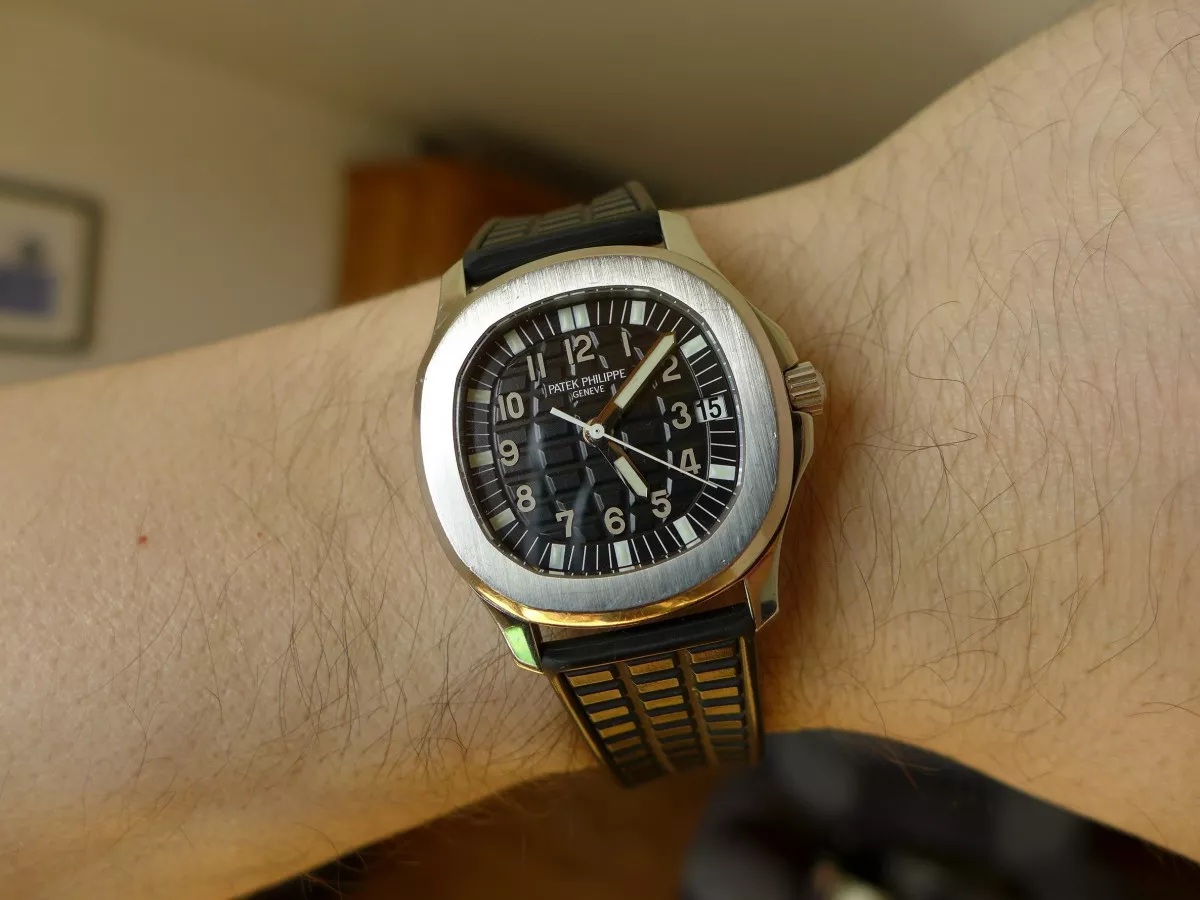
After confirming the documentation, the next step is to inspect the watch's physical attributes. The case and dial are scrutinised for signs of authenticity and age-related wear.
Identifying Case Hallmarks
The watch’s case is like its skin, telling tales of time and wear. Hallmarks are often hidden indicators of genuine craftsmanship.
-
Material Insights: Gold or platinum cases often bear stamps indicating metal purity. These marks can authenticate and also date the piece.
-
Craftsmanship Clues: Look for consistent and precise engravings. Inconsistencies could suggest alterations or counterfeit attempts.
Experts focus on these details, which can reveal both the watch’s origin and its journey through time. Identifying these hallmarks is a skill that requires a trained eye.
Dial Patina and Lume Types
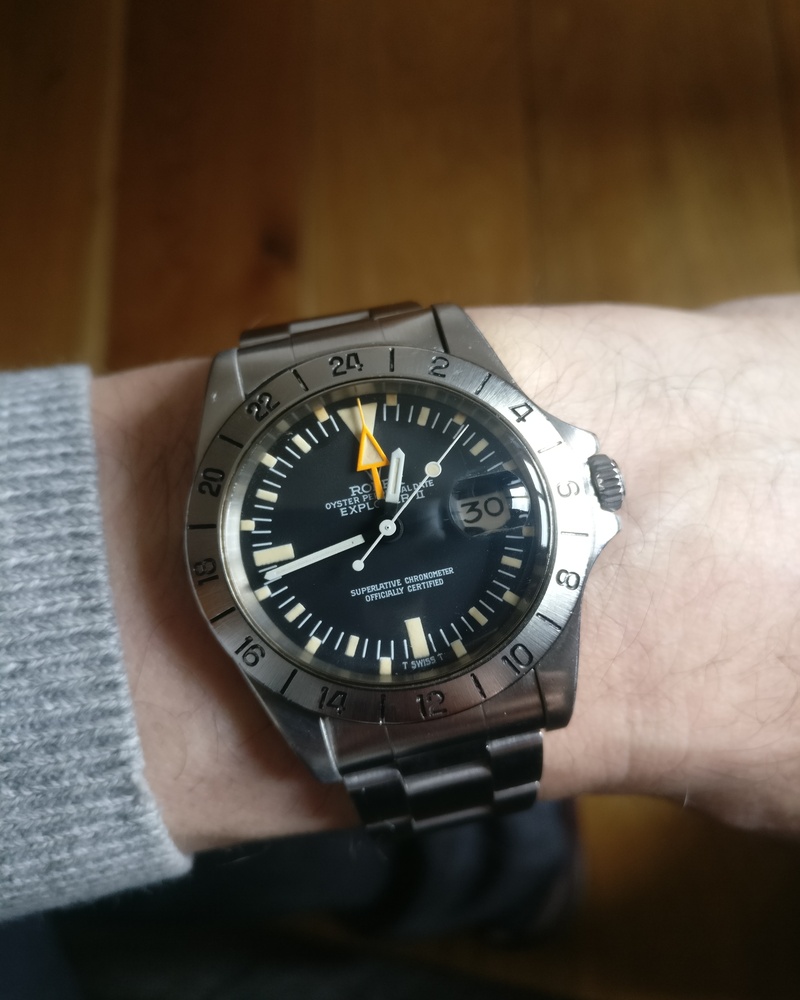
The dial is not just a pretty face; it holds clues about the watch's authenticity and age. Over time, dials develop a patina, which can add to a watch's appeal if it’s natural.
-
Dial Patina: This is a thin layer that forms with age. A genuine patina gives the watch character and often increases its value.
-
Lume Types: Watches from different eras used different luminescent materials. From radium era to tritium lume, knowing the differences helps confirm age.
A naturally aged dial, along with the right lume type, can significantly enhance a watch’s value by showcasing its untouched history.
Movement and Components
The movement is the heart of any watch. Ensuring its originality and condition is the final, yet critical, step in the evaluation process.
Original Movement Verification
Authenticity doesn’t stop at the surface. The movement inside must also be original and functioning.
-
Inspecting the Movement: Experts open the case back to check the movement. Any signs of tampering can decrease value.
-
Brand Markings: Genuine movements have specific engravings or logos, confirming authenticity.
A watch with its original movement intact is often valued higher, reinforcing its status as a true collector’s piece.
Period-Correct Components and Servicing
Ensuring all parts are period-correct is essential for authenticity. Originality isn’t just about the movement but extends to every component.
-
Matching Parts: Each component should align with the era of the watch. Non-matching parts can suggest unauthorised repairs or replacements.
-
Sympathetic Servicing: While servicing is necessary, it should be done without altering the watch's integrity. Independent watchmakers often specialise in this delicate art.
By verifying these elements, the watch not only retains its original charm but also holds its value. This thorough process ensures that when you choose to sell, you get a fair price for your treasured timepiece.